记录专辑声音列表、声音详情与播放进度处理,梳理跨服务调用和用户身份传递的问题。
本篇要点
- 查询专辑下的声音列表
- 分析声音详情数据来源
- 记录播放进度与远程调用边界
内容回顾
1、根据一级分类Id获取全部分类
2、关键字自动补全功能
- completion :数据加载到内存中,通过前缀匹配
- 自动补全接口
3、logstash
ELK
- 使用logstash收集项目日志信息
- 把收集到日志信息存储到es里面
- 使用kibana分析es日志信息
4、专辑详情
今天内容
1、根据专辑id查询声音列表(复杂)
流程:
1、根据专辑id获取专辑下面所有声音列表,但是声音包含免费和收费的
2、判断用户是否登录状态,如果用户没有登录:
– 判断如果专辑不是免费的,去掉试看的集数,其他是收费的
3、如果用户当前是登录状态:根据专辑类型判断
– 如果vip免费专辑:判断当前登录用户是否是vip用户,如果不是vip收费,如果是vip但是vip过期了也是收费
– 如果付费专辑:需要收费,但是查询当前用户是否购买专辑或者声音
— 如果用户购买过专辑,专辑里面声音可以免费看
— 如果用户购买过专辑里面某些声音,购买的声音可以免费看
实现
1
2
3
4
5
6
7
8
9
10
11
12
13
14
15
16
17
18
19
20
21
22
23
24
25
26
27
|
if(userId == null) {
String payType = albumInfo.getPayType();
if(!"0101".equals(payType)) {
List<AlbumTrackListVo> allAlbumTrackList = pageInfo.getRecords();
Integer tracksForFree = albumInfo.getTracksForFree();
List<AlbumTrackListVo> trackListVoList =
allAlbumTrackList.stream().filter(albumTrackListVo ->
albumTrackListVo.getOrderNum().intValue()>tracksForFree)
.collect(Collectors.toList());
if(!CollectionUtils.isEmpty(trackListVoList)) {
trackListVoList.forEach(albumTrackListVo -> {
albumTrackListVo.setIsShowPaidMark(true);
});
}
}
}
|
1
2
3
4
5
6
7
8
9
10
11
12
13
14
15
16
17
18
19
20
21
22
23
24
25
26
| } else {
boolean isNeedPaid = false;
if("0102".equals(payType)) {
Result<UserInfoVo> userInfoVoResult =
userInfoFeignClient.getUserInfoVo(userId);
UserInfoVo userInfoVo = userInfoVoResult.getData();
Assert.notNull(userInfoVo,"用户信息为空");
Integer isVip = userInfoVo.getIsVip();
if (isVip.intValue() == 0){
isNeedPaid = true;
}
Date vipExpireTime = userInfoVo.getVipExpireTime();
if(isVip.intValue() == 1 && vipExpireTime.before(new Date())) {
isNeedPaid = true;
}
} else if("0103".equals(payType)){
isNeedPaid = true;
}
}
|
1
2
3
4
5
6
7
8
9
10
11
12
13
14
15
16
17
18
19
20
21
22
23
24
25
26
27
28
29
30
31
32
33
34
35
36
37
38
39
40
41
|
if(isNeedPaid) {
List<AlbumTrackListVo> albumTrackNeedPaidListVoList =
pageInfo.getRecords().stream()
.filter(albumTrackListVo ->
albumTrackListVo.getOrderNum().intValue() > albumInfo.getTracksForFree())
.collect(Collectors.toList());
if(!CollectionUtils.isEmpty(albumTrackNeedPaidListVoList)) {
List<Long> trackIdList =
albumTrackNeedPaidListVoList.stream()
.map(AlbumTrackListVo::getTrackId).collect(Collectors.toList());
Result<Map<Long, Integer>> mapResult =
userInfoFeignClient.userIsPaidTrack(albumId,trackIdList);
Map<Long, Integer> map = mapResult.getData();
Assert.notNull(map,"为空");
albumTrackNeedPaidListVoList.forEach(albumTrackListVo -> {
Long trackId = albumTrackListVo.getTrackId();
boolean isMark = map.get(trackId)==1?false:true;
albumTrackListVo.setIsShowPaidMark(isMark);
});
}
}
}
|
1
2
3
4
5
6
7
8
9
10
11
12
13
14
15
16
17
18
19
20
21
22
23
| @FeignClient(value = "service-user", fallback = UserInfoDegradeFeignClient.class)
public interface UserInfoFeignClient {
@GetMapping("api/user/userInfo/getUserInfoVo/{userId}")
Result<UserInfoVo> getUserInfoVo(@PathVariable Long userId);
@PostMapping("api/user/userInfo/userIsPaidTrack/{albumId}")
Result<Map<Long, Integer>> userIsPaidTrack(@PathVariable("albumId") Long albumId,
@RequestBody List<Long> trackIdList);
}
|
1
2
3
4
5
6
7
8
9
10
11
12
13
|
@GuiguLogin(required = false)
@Operation(summary = "判断用户是否购买声音列表")
@PostMapping("userIsPaidTrack/{albumId}")
public Result<Map<Long, Integer>> userIsPaidTrack(@PathVariable Long albumId,
@RequestBody List<Long> trackIdList) {
Long userId = AuthContextHolder.getUserId();
Map<Long, Integer> map = userInfoService.userIsPaidTrack(userId, albumId, trackIdList);
return Result.ok(map);
}
|
1
2
3
4
5
6
7
8
9
10
11
12
13
14
15
16
17
18
19
20
21
22
23
24
25
26
27
28
29
30
31
32
33
34
35
36
37
38
39
40
41
42
43
44
45
46
47
48
49
50
|
@Override
public Map<Long, Integer> userIsPaidTrack(Long userId,
Long albumId,
List<Long> trackIdList) {
LambdaQueryWrapper<UserPaidAlbum> wrapper01 = new LambdaQueryWrapper<>();
wrapper01.eq(UserPaidAlbum::getUserId, userId);
wrapper01.eq(UserPaidAlbum::getAlbumId, albumId);
UserPaidAlbum userPaidAlbum = userPaidAlbumMapper.selectOne(wrapper01);
if(userPaidAlbum != null) {
Map<Long, Integer> map = new HashMap<>();
trackIdList.forEach(trackId->{
map.put(trackId,1);
});
return map;
} else {
LambdaQueryWrapper<UserPaidTrack> wrapper02 = new LambdaQueryWrapper<>();
wrapper02.eq(UserPaidTrack::getUserId, userId);
wrapper02.in(UserPaidTrack::getTrackId, trackIdList);
List<UserPaidTrack> userPaidTrackList =
userPaidTrackMapper.selectList(wrapper02);
List<Long> userPaidTrackIdList = userPaidTrackList.stream()
.map(UserPaidTrack::getTrackId)
.collect(Collectors.toList());
Map<Long, Integer> map = new HashMap<>();
trackIdList.forEach(trackId->{
boolean contains = userPaidTrackIdList.contains(trackId);
if(contains) {
map.put(trackId,1);
} else {
map.put(trackId,0);
}
});
return map;
}
}
|
问题
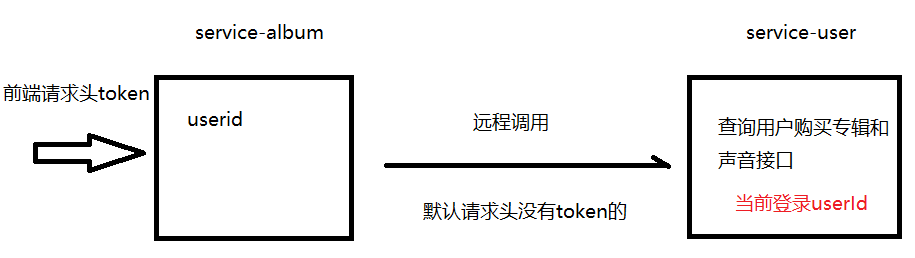
- 远程调用时候,请求头不会传递token值,造成远程调用时候,无法获取当前userId
- 第一种:远程调用时候在方法里面直接传递userId
- 第二种:使用远程调用专用的拦截器,每次远程调用时候,手动把token放到请求头传递
1
2
3
4
5
6
7
8
9
10
11
12
13
14
15
16
17
| @Component
public class FeignInterceptor implements RequestInterceptor {
public void apply(RequestTemplate requestTemplate){
RequestAttributes requestAttributes =
RequestContextHolder.getRequestAttributes();
if(null != requestAttributes) {
ServletRequestAttributes servletRequestAttributes =
(ServletRequestAttributes)requestAttributes;
HttpServletRequest request = servletRequestAttributes.getRequest();
String token = request.getHeader("token");
requestTemplate.header("token", token);
}
}
}
|
2、声音详情
分析
在专辑详情页面,点击某个声音,进入声音详情界面,播放声音文件(存储到腾讯云里面)
记录当前声音播放进度,比如这一次播放到第10s,下次再播放这个声音从第10s向后播放
首先,使用MongoDB存储声音播放进度
其次,前端每隔10s会一次我们后端接口,记录一次当前播放进度
接口1:获取声音上一次播放记录


更新(添加)声音播放记录
- 前端每隔10s调用一次接口,更新当前播放进度
- 在service-user模块编写接口
controller
1
2
3
4
5
6
7
8
9
10
11
12
13
14
15
16
17
18
19
20
21
| @Tag(name = "用户声音播放进度管理接口")
@RestController
@RequestMapping("api/user/userListenProcess")
@SuppressWarnings({"all"})
public class UserListenProcessApiController {
@Autowired
private UserListenProcessService userListenProcessService;
@GuiguLogin
@Operation(summary = "更新播放进度")
@PostMapping("/updateListenProcess")
public Result
updateListenProcess(@RequestBody UserListenProcessVo userListenProcessVo) {
Long userId = AuthContextHolder.getUserId();
userListenProcessService.saveOrUpdateListenProcess(userId,userListenProcessVo);
return Result.ok();
}
}
|
service
1
2
3
4
5
6
7
8
9
10
11
12
13
14
15
16
17
18
19
20
21
22
23
24
25
26
27
28
29
30
31
32
33
34
35
36
37
38
39
40
41
42
43
44
45
46
47
48
49
50
51
52
53
54
55
56
57
58
59
60
61
62
63
64
65
66
67
68
69
70
71
72
73
74
75
|
@Override
public void saveOrUpdateListenProcess(Long userId,
UserListenProcessVo userListenProcessVo) {
Criteria criteria = Criteria.where("userId").is(userId)
.and("trackId").is(userListenProcessVo.getTrackId());
Query query = new Query(criteria);
UserListenProcess userListenProcess = mongoTemplate.findOne(query,
UserListenProcess.class,
MongoUtil.getCollectionName(
MongoUtil.MongoCollectionEnum.USER_LISTEN_PROCESS,
userId));
if (userListenProcess != null) {
userListenProcess.setBreakSecond(userListenProcessVo.getBreakSecond());
userListenProcess.setUpdateTime(new Date());
mongoTemplate.save(userListenProcess,
MongoUtil.getCollectionName(
MongoUtil.MongoCollectionEnum.USER_LISTEN_PROCESS,
userId));
} else {
userListenProcess = new UserListenProcess();
BeanUtils.copyProperties(userListenProcessVo, userListenProcess);
userListenProcess.setId(ObjectId.get().toString());
userListenProcess.setUserId(userId);
userListenProcess.setIsShow(1);
userListenProcess.setCreateTime(new Date());
userListenProcess.setUpdateTime(new Date());
mongoTemplate.save(userListenProcess,
MongoUtil.getCollectionName(
MongoUtil.MongoCollectionEnum.USER_LISTEN_PROCESS,
userId));
}
String key = "user:track:"+userListenProcessVo.getTrackId() + userId;
Boolean isExist =
redisTemplate.opsForValue().getBit(key,
userListenProcessVo.getTrackId());
if (!isExist) {
redisTemplate.opsForValue().setBit(key,
userListenProcessVo.getTrackId(),
true);
redisTemplate.expire(key,24*60*60,TimeUnit.SECONDS);
TrackStatMqVo trackStatMqVo = new TrackStatMqVo();
trackStatMqVo.setBusinessNo(UUID.randomUUID().toString().replaceAll("-",""));
trackStatMqVo.setAlbumId(userListenProcessVo.getAlbumId());
trackStatMqVo.setTrackId(userListenProcessVo.getTrackId());
trackStatMqVo.setStatType(SystemConstant.TRACK_STAT_PLAY);
trackStatMqVo.setCount(1);
rabbitService.sendMessage(MqConst.EXCHANGE_TRACK,
MqConst.ROUTING_TRACK_STAT_UPDATE,
JSON.toJSONString(trackStatMqVo));
}
}
|
MQ接收端更新播放量
1
2
3
4
5
6
7
8
9
10
11
12
13
14
15
16
17
18
19
20
21
22
23
24
25
26
27
| @Component
public class TrackReceiver {
@Autowired
private TrackInfoService trackInfoService;
@Autowired
private RedisTemplate redisTemplate;
@SneakyThrows
@RabbitListener(bindings = @QueueBinding(
exchange = @Exchange(value = MqConst.EXCHANGE_TRACK, durable = "true"),
value = @Queue(value = MqConst.QUEUE_TRACK_STAT_UPDATE, durable = "true"),
key = {MqConst.ROUTING_TRACK_STAT_UPDATE}
))
public void updateStat(String content, Message message, Channel channel) {
if(!StringUtils.isEmpty(content)) {
TrackStatMqVo trackStatMqVo =
JSON.parseObject(content, TrackStatMqVo.class);
if(trackStatMqVo != null) {
trackInfoService.updateStat(trackStatMqVo);
}
}
channel.basicAck(message.getMessageProperties().getDeliveryTag(),false);
}
}
|
1
2
3
4
5
6
7
8
9
10
11
12
13
14
15
16
17
18
19
|
@Override
public void updateStat(TrackStatMqVo trackStatMqVo) {
Long trackId = trackStatMqVo.getTrackId();
Integer count = trackStatMqVo.getCount();
String statType = trackStatMqVo.getStatType();
LambdaQueryWrapper<TrackStat> wrapper = new LambdaQueryWrapper<>();
wrapper.eq(TrackStat::getTrackId, trackId);
wrapper.eq(TrackStat::getStatType, statType);
TrackStat trackStat = trackStatMapper.selectOne(wrapper);
trackStat.setStatNum(trackStat.getStatNum()+count);
trackStatMapper.updateById(trackStat);
}
|
获取声音播放进度
1
2
3
4
5
6
7
8
9
10
11
12
13
14
15
16
17
|
@GuiguLogin
@Operation(summary = "获取声音的上次跳出时间")
@GetMapping("/getTrackBreakSecond/{trackId}")
public Result<BigDecimal> getTrackBreakSecond(@PathVariable Long trackId) {
Long userId = AuthContextHolder.getUserId();
BigDecimal trackBreakSecond =
userListenProcessService.getTrackBreakSecond(userId, trackId);
return Result.ok(trackBreakSecond);
}
|
1
2
3
4
5
6
7
8
9
10
11
12
13
14
15
16
17
18
| @Override
public BigDecimal getTrackBreakSecond(Long userId, Long trackId) {
Query query = Query.query(Criteria.where("userId")
.is(userId).and("trackId").is(trackId));
UserListenProcess userListenProcess =
mongoTemplate.findOne(query,
UserListenProcess.class,
MongoUtil.getCollectionName(
MongoUtil.MongoCollectionEnum.USER_LISTEN_PROCESS,
userId));
if (null != userListenProcess){
return userListenProcess.getBreakSecond();
}
return new BigDecimal("0");
}
|
完善两个地方
问题一
- 代码中,实现同一个用户对于同一个声音,24小时只是计算一次播放量
- 一个用户播放不同声音,redis里面使用相同key,造成过期时间混乱
- 解决: redis里面的key唯一的,比如根据用户id+声音id构建key
1
| String key = "user:track:"+userListenProcessVo.getTrackId() + userId;
|
问题二
保证RabbitMQ消息幂等性
相同消息发送多次,只是消费一次
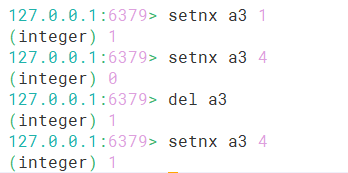
第一步 通过setnx向redis加数据,key是发送端传递过来业务编号
第二步 如果可以添加成功,证明第一次消费,更新播放量
第三步 如果添加失败,证明消息重复发送了,不进行消费
1
2
3
4
5
6
7
8
9
10
11
12
13
14
15
16
17
18
19
20
21
22
23
24
25
| @SneakyThrows
@RabbitListener(bindings = @QueueBinding(
exchange = @Exchange(value = MqConst.EXCHANGE_TRACK, durable = "true"),
value = @Queue(value = MqConst.QUEUE_TRACK_STAT_UPDATE, durable = "true"),
key = {MqConst.ROUTING_TRACK_STAT_UPDATE}
))
public void updateStat(String content, Message message, Channel channel) {
if(!StringUtils.isEmpty(content)) {
TrackStatMqVo trackStatMqVo =
JSON.parseObject(content, TrackStatMqVo.class);
if(trackStatMqVo != null) {
String businessNo = trackStatMqVo.getBusinessNo();
Boolean setIfAbsent = redisTemplate.opsForValue().setIfAbsent(businessNo, 1, 1, TimeUnit.HOURS);
if(setIfAbsent) {
trackInfoService.updateStat(trackStatMqVo);
}
}
}
channel.basicAck(message.getMessageProperties().getDeliveryTag(),false);
}
|