梳理 Redis 在登录、统计、排行榜和幂等中的使用,并记录专辑排行榜与详情页并发优化思路。
本篇要点
- 盘点 Redis 在项目中的用途
- 实现专辑排行榜相关接口
- 分析详情页的并发与缓存问题
内容回顾
1、根据专辑id查询声音列表
1、根据专辑id获取专辑下面所有声音列表,但是声音包含免费和收费的
2、判断用户是否登录状态,如果用户没有登录:
– 判断如果专辑不是免费的,去掉试看的集数,其他是收费的
3、如果用户当前是登录状态:根据专辑类型判断
– 如果vip免费专辑:判断当前登录用户是否是vip用户,如果不是vip收费,如果是vip但是vip过期了也是收费
– 如果付费专辑:需要收费,但是查询当前用户是否购买专辑或者声音
— 如果用户购买过专辑,专辑里面声音可以免费看
— 如果用户购买过专辑里面某些声音,购买的声音可以免费看
2、添加(修改)声音播放进度
使用redis里面setnx实现(锁)
3、获取声音播放进度
今天内容
0、Redis项目中应用场景
第一个:登录存储用户信息
- 登录时候,生成token,把用户信息数据存储到redis里面,redis的key是token,value是用户信息。每次登录时候,请求头传递token,获取token查询redis,如果可以查询到登录状态
第二个:更新声音播放量
- 同一个用于对于同一个声音,在24小时计算一次播放量
- 使用redis里面bitmaps类型实现功能
- bitmaps的key是用户id,offset是声音id,value是值
第三个:更新排行榜
- 使用redis的hash类型存储自己排行榜数据
- hash类型key是一级分类id,field是排序字段,value是专辑数据
第四个:MQ保证消息幂等性
- 使用redis里面setnx(锁)机制解决
- 相同消息发送多次,只消费一次
第五个:分布式锁
- 使用Redis实现:setnx + 过期时间 + uuid + lua脚本
1、专辑排行榜功能
分析
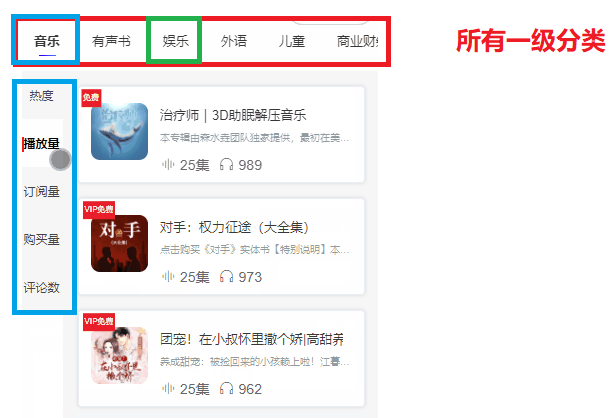
- 查询mysql获取所有一级分类数据
- 查询es,根据一级分类id查询一级分类下面所有专辑,根据不同方式排序,获取前10条数据
1
2
3
4
5
6
7
8
9
10
11
12
13
14
15
16
17
18
| GET /albuminfo/_search
{
"query": {
"term": {
"category1Id": {
"value": "1"
}
}
}
,"sort": [
{
"playStatNum": {
"order": "desc"
}
}
],
"size": 10
}
|
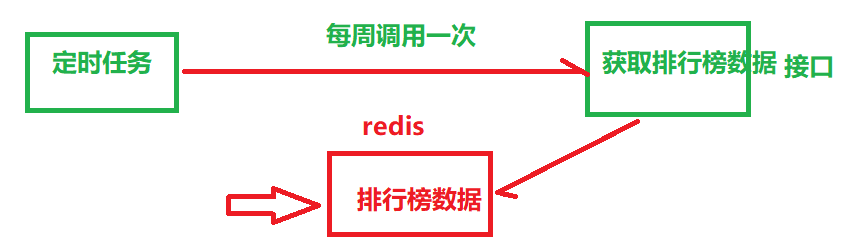
定时任务后面实现
目前实现:编写获取排行榜数据接口
查询mysql获取一级分类数据
查询es得到专辑排行榜数据
把专辑排行榜数据存储到redis里面
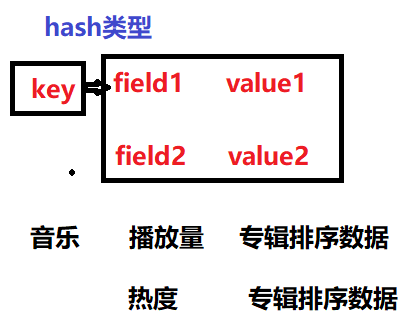
使用redis里面哪个类型放数据?
– 使用redis里面hash类型存储排行榜数据
key:一级分类
field:排序字段
value:专辑排序数据
添加排行榜数据接口
- 在service-search模块的SearchApiController 中
1
2
3
4
5
6
7
8
9
10
11
12
13
|
@SneakyThrows
@Operation(summary = "更新排行榜")
@GetMapping("updateLatelyAlbumRanking")
public Result updateLatelyAlbumRanking() {
searchService.updateLatelyAlbumRanking();
return Result.ok();
}
|
1
2
3
4
5
6
7
8
9
10
11
12
13
14
15
16
17
18
19
20
21
22
23
24
25
26
27
28
29
30
31
32
33
34
35
36
37
38
39
40
41
42
43
44
| @Autowired
private RedisTemplate redisTemplate;
@Override
public void updateLatelyAlbumRanking() throws Exception {
Result<List<BaseCategory1>> result = categoryFeignClient.findAllCategory1();
List<BaseCategory1> category1List = result.getData();
Assert.notNull(category1List,"一级分类集合为空");
for (BaseCategory1 category1 : category1List) {
Long category1Id = category1.getId();
String[] rankingDimensionArray =
new String[]{"hotScore", "playStatNum",
"subscribeStatNum", "buyStatNum", "commentStatNum"};
for (String ranging : rankingDimensionArray) {
SearchRequest.Builder builder = new SearchRequest.Builder();
builder.index("albuminfo").query(
q->q.term(f->f.field("category1Id").value(category1Id)))
.sort(s->s.field(o->o.field(ranging).order(SortOrder.Desc)))
.size(10);
SearchResponse<AlbumInfoIndex> response =
elasticsearchClient.search(builder.build(),AlbumInfoIndex.class);
List<AlbumInfoIndex> albumInfoIndexList = response.hits().hits().stream().map(Hit::source).collect(Collectors.toList());
String rangKey = "ranking:"+category1Id;
redisTemplate.opsForHash().put(rangKey,ranging,albumInfoIndexList);
}
}
}
|
1
2
3
4
5
6
7
8
9
10
11
|
@Operation(summary = "查询所有的一级分类信息")
@GetMapping("findAllCategory1")
public Result<List<BaseCategory1>> findAllCategory1() {
List<BaseCategory1> baseCategory1List = baseCategoryService.findAllCategory1();
return Result.ok(baseCategory1List);
}
|
查询排行榜数据接口
1
2
3
4
5
6
7
8
9
10
11
12
13
14
15
16
|
@Operation(summary = "获取排行榜列表")
@GetMapping("findRankingList/{category1Id}/{dimension}")
public Result<List<AlbumInfoIndexVo>>
findRankingList(@PathVariable Long category1Id,
@PathVariable String dimension) {
List<AlbumInfoIndexVo> infoIndexVoList = searchService.findRankingList(category1Id, dimension);
return Result.ok(infoIndexVoList);
}
|
1
2
3
4
5
6
7
|
@Override
public List<AlbumInfoIndexVo> findRankingList(Long category1Id, String dimension) {
return (List<AlbumInfoIndexVo>)redisTemplate
.boundHashOps("ranking:"+category1Id)
.get(dimension);
}
|
2、详情优化(背)
2.1 缓存实现过程
数据库优化方式
- 如果专辑有大量用户进行访问,造成mysql压力过大(io瓶颈),对数据库进行优化
- 一般对系统进行优化,首先考虑的数据库优化
- 数据库优化有几种方式:
第一种 创建索引(什么情况创建索引)
第二种 SQL语句优化(单表和多表优化)
第三种 分库分表(单表500w行或者单表容量2GB)
第四种 添加数据缓存(不经常变化数据)
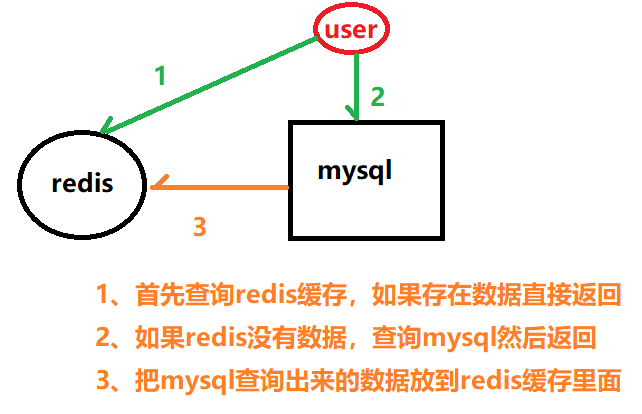
缓存过程
2.2 缓存常见问题(★)
概述
第一个问题:缓存穿透
第二个问题:缓存雪崩
第三个问题:缓存击穿
第四个问题:数据一致性
1 缓存穿透问题
问题描述
- 是指查询一个不存在的数据,缓存中没有,mysql数据库也没有
- 在流量大时,可能mysql数据库就宕机了,缓存没有起到任何作用
解决方案
**方案一:**空结果也进行缓存(null值进行缓存),但是不能防止随机穿透
**方案二:**使用布隆过滤器来解决随机穿透问题(后面讲)
2 缓存雪崩问题
问题描述
- 是指把多个缓存设置了相同的过期时间,导致缓存在某一时刻同时失效,缓存刚失效恰巧有大量请求,压力都在mysql数据库,可能mysql数据库就宕机了
解决方案
3 缓存击穿问题
问题描述
- 热点数据缓存过期了,还有大量请求过来,压力都会到mysql数据库,可能mysql数据库就宕机了
解决方案
4 数据一致性问题
问题描述
- mysql里面数据发生变化,应该同步到redis缓存里面,但是mysql数据变化了,还没有来得及同步到redis,有请求查询redis,造成mysql和redis数据不一致
解决方案
2.3 本地锁
概述
- 之前学习过,使用synchronized 及lock可以实现锁操作,这些锁都是本地锁
- 本地锁作用范围有局限性,只是作用于某一个jvm或者某一个微服务模块,如果跨jvm或者跨微服务模块不起作用了
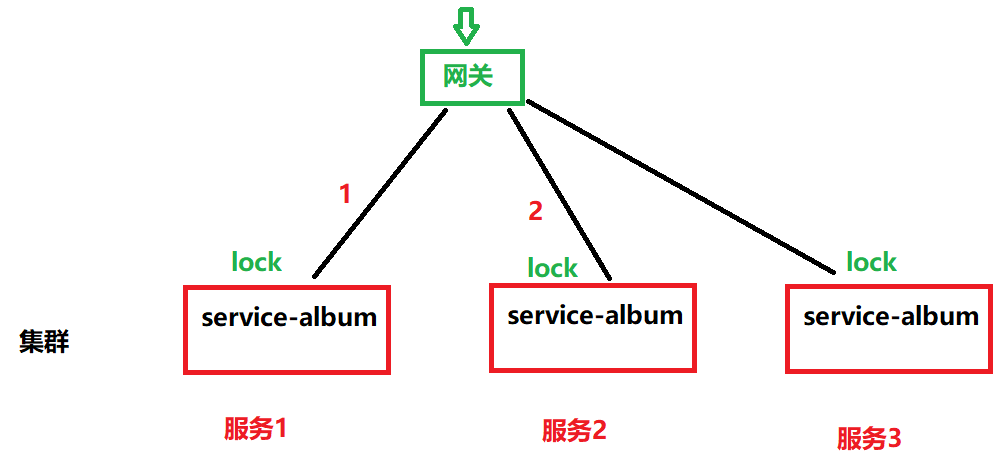
演示本地锁局限性
1
2
3
4
5
6
7
8
9
10
11
12
13
14
15
16
17
18
| @RestController
@RequestMapping("api/album/test")
public class TestController {
@Autowired
private TestService testService;
@GetMapping("testLock")
public Result testLock(){
testService.testLock1();
return Result.ok();
}
}
|
1
2
3
4
5
6
7
8
9
10
11
12
13
14
15
16
17
18
19
20
21
22
23
24
| @Service
public class TestServiceImpl implements TestService {
@Autowired
private StringRedisTemplate stringRedisTemplate;
@Override
public synchronized void testLock1() {
String value = stringRedisTemplate.opsForValue().get("num");
if(StringUtils.isEmpty(value)) {
return;
}
int num = Integer.parseInt(value);
stringRedisTemplate.opsForValue().set("num", String.valueOf(++num));
}
}
|
测试
– 到nacos配置文件注释端口号配置

– 在idea操作集群部署
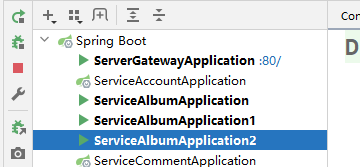
使用三个服务集群部署
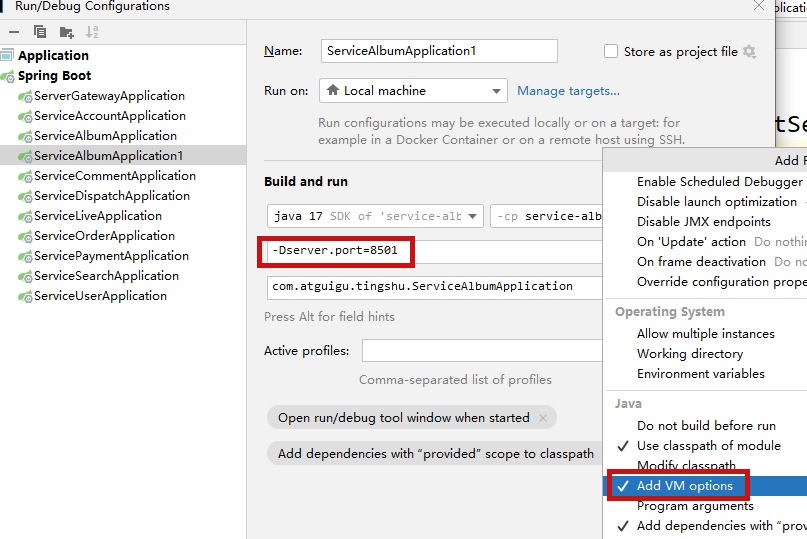
– 启动网关模块,三个专辑微服务模块
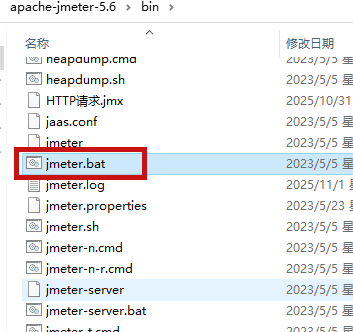
- 模拟100个请求,使用测试工具apache-jmeter
– 启动jmeter
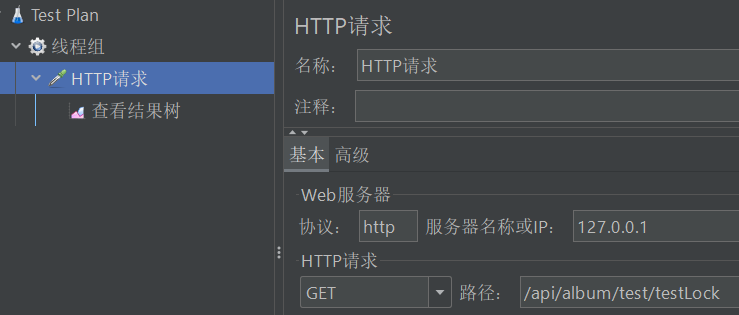
2.4 分布式锁(Redis实现)
- 为了解决跨JVM加锁,使用分布式锁
- 分布式锁实现有很多种方案,使用Redis实现分布式锁,这种方式性能最高
Redis的setnx实现分布式锁
1
2
3
4
5
6
7
8
9
10
11
12
13
14
15
16
17
18
19
20
21
22
23
24
25
26
27
|
@Override
public void testLock2() throws Exception{
Boolean ifAbsent =
stringRedisTemplate.opsForValue().setIfAbsent("lock", "lock");
if(ifAbsent) {
String value = stringRedisTemplate.opsForValue().get("num");
if(StringUtils.isEmpty(value)) {
return;
}
int num = Integer.parseInt(value);
stringRedisTemplate.opsForValue().set("num", String.valueOf(++num));
stringRedisTemplate.delete("lock");
} else {
Thread.sleep(100);
this.testLock2();
}
}
|
锁无法释放问题
- 上面代码中,如果操作时候完成时候出现异常,造成锁无法释放
- 解决:
第一种 把释放锁代码写到finally里面
第二种 设置锁自动过期时间
1
2
3
4
5
6
7
8
9
10
11
12
13
14
15
16
17
18
19
20
21
22
23
24
25
26
27
28
29
30
31
32
33
|
@Override
public void testLock2() throws Exception{
Boolean ifAbsent =
stringRedisTemplate.opsForValue()
.setIfAbsent("lock","lock",
10, TimeUnit.SECONDS);
if(ifAbsent) {
try {
String value = stringRedisTemplate.opsForValue().get("num");
if(StringUtils.isEmpty(value)) {
return;
}
int num = Integer.parseInt(value);
stringRedisTemplate.opsForValue().set("num", String.valueOf(++num));
}finally {
stringRedisTemplate.delete("lock");
}
} else {
Thread.sleep(100);
this.testLock2();
}
}
|
锁误删问题
前提条件:业务执行时间大于锁自动释放时间
谁加的锁有谁去释放,解铃还须系铃人
**解决:**使用UUID 防止误删锁
1
2
3
4
5
6
7
8
9
10
11
12
13
14
15
16
17
18
19
20
21
22
23
24
25
26
27
28
29
30
31
32
33
34
35
36
37
38
39
|
@Override
public void testLock2() throws Exception{
String uuid = UUID.randomUUID().toString();
Boolean ifAbsent =
stringRedisTemplate.opsForValue()
.setIfAbsent("lock",uuid,
3, TimeUnit.SECONDS);
if(ifAbsent) {
try {
String value = stringRedisTemplate.opsForValue().get("num");
if(StringUtils.isEmpty(value)) {
return;
}
int num = Integer.parseInt(value);
stringRedisTemplate.opsForValue().set("num", String.valueOf(++num));
}finally {
String redis_uuid = stringRedisTemplate.opsForValue().get("lock");
if(uuid.equals(redis_uuid)) {
stringRedisTemplate.delete("lock");
}
}
} else {
Thread.sleep(100);
this.testLock2();
}
}
|
原子性问题
– 使用Redis调用lua脚本保证释放锁原子性
– 基于Redis单线程特性
1
2
3
4
5
6
7
8
9
10
11
12
13
14
15
16
17
18
19
20
21
22
23
24
25
26
27
28
29
30
31
32
33
34
35
36
37
38
39
40
41
42
43
44
45
46
47
|
public void testLock3() throws Exception{
String uuid = UUID.randomUUID().toString();
Boolean ifAbsent =
stringRedisTemplate.opsForValue()
.setIfAbsent("lock",uuid,
3, TimeUnit.SECONDS);
if(ifAbsent) {
try {
String value = stringRedisTemplate.opsForValue().get("num");
if(StringUtils.isEmpty(value)) {
return;
}
int num = Integer.parseInt(value);
stringRedisTemplate.opsForValue().set("num", String.valueOf(++num));
}finally {
DefaultRedisScript<Long> redisScript = new DefaultRedisScript<>();
String script = "if redis.call(\"get\",KEYS[1]) == ARGV[1]\n" +
"then\n" +
" return redis.call(\"del\",KEYS[1])\n" +
"else\n" +
" return 0\n" +
"end";
redisScript.setScriptText(script);
redisScript.setResultType(Long.class);
stringRedisTemplate.execute(redisScript, Arrays.asList("lock"),uuid);
}
} else {
Thread.sleep(100);
this.testLock2();
}
}
|
总结:
1 分布式锁如何实现的?
- 使用Redis实现
- setnx + 过期时间 + uuid + lua脚本
2 分布式锁实现同时满足以下四个条件
- **互斥性。**在任意时刻,只有一个客户端能持有锁。
- **不会发生死锁。**即使有一个客户端在持有锁的期间崩溃而没有主动解锁,也能保证后续其他客户端能加锁。
- **解铃还须系铃人。**加锁和解锁必须是同一个客户端,客户端自己不能把别人加的锁给解了。
- 加锁和解锁必须具有原子性。